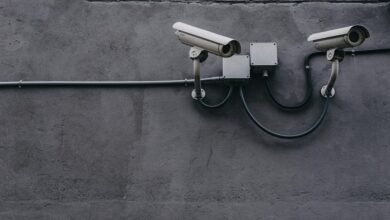
Suspicious Activity Surveillance Intelligence Service 3511459524 3480821117 3289534975 3284049428 3486465472 3509408325

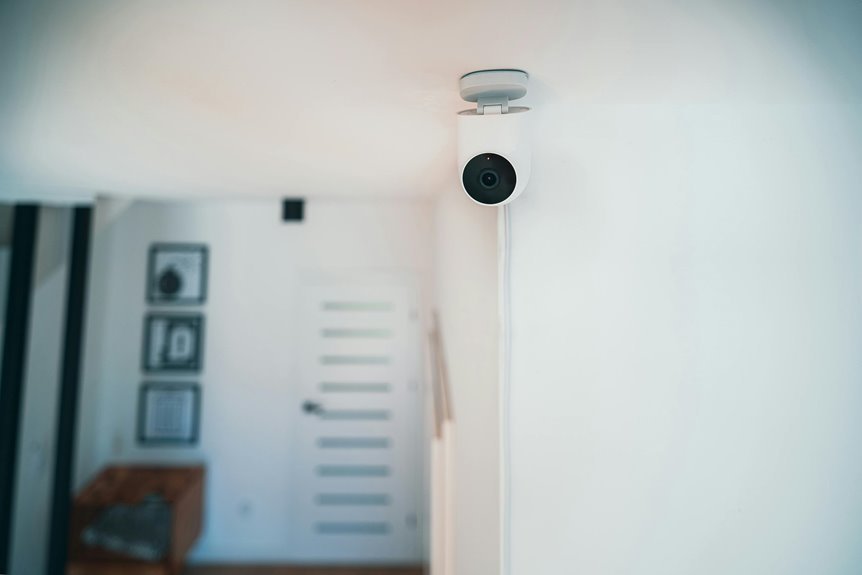
The Suspicious Activity Surveillance Intelligence Service, identified by various codes, plays a crucial role in national security. It employs advanced technologies to monitor potential threats. However, this surveillance raises significant ethical concerns about privacy rights. The balance between security and civil liberties remains a pressing issue. As discussions on accountability and regulatory frameworks evolve, the implications of these surveillance practices warrant closer examination. What measures are being taken to address these challenges?
Overview of the Surveillance Intelligence Service
The Surveillance Intelligence Service (SIS) operates as a critical entity within national security frameworks, tasked with monitoring and analyzing suspicious activities that may threaten public safety.
This role raises significant privacy concerns, as the balance between security and individual freedoms becomes increasingly tenuous.
Ethical implications arise regarding the extent of surveillance practices, prompting ongoing debates about the necessity and justification of such intrusive measures.
Advanced Technologies in Surveillance
As surveillance practices evolve, advanced technologies play a pivotal role in enhancing the capabilities of intelligence services.
Techniques such as facial recognition facilitate the identification of individuals in public spaces, raising significant concerns regarding data privacy.
The balance between effective surveillance and the preservation of individual freedoms remains a critical issue, necessitating ongoing discussions about ethical implications and regulatory frameworks in this evolving landscape.
Real-Time Risk Assessment and Response
While the integration of real-time risk assessment tools significantly enhances the responsiveness of intelligence services, it also introduces complexities related to accuracy and decision-making.
Effective risk identification and thorough threat analysis are crucial in this context, as misinterpretations can lead to unjust actions.
Balancing rapid response with careful evaluation remains a challenge, necessitating ongoing refinement of methodologies to ensure informed and equitable decision-making.
Community Engagement and Law Enforcement Collaboration
Community engagement is essential for fostering trust between law enforcement agencies and the populations they serve, which can enhance the effectiveness of surveillance intelligence efforts.
Conclusion
In conclusion, the Suspicious Activity Surveillance Intelligence Service illustrates the delicate balance between security and civil liberties. For instance, the 2013 case of the Boston Marathon bombing highlighted both the effectiveness of surveillance technologies in identifying threats and the backlash over privacy violations. As the service continues to navigate these challenges, ongoing dialogue about ethical surveillance practices and regulatory oversight remains crucial to ensure public trust while maintaining national security.