Suspicious Communication Detection Tracking Enforcement Division 3281557573 3444398563 3246966997 3533055939 3280828280 3391069180

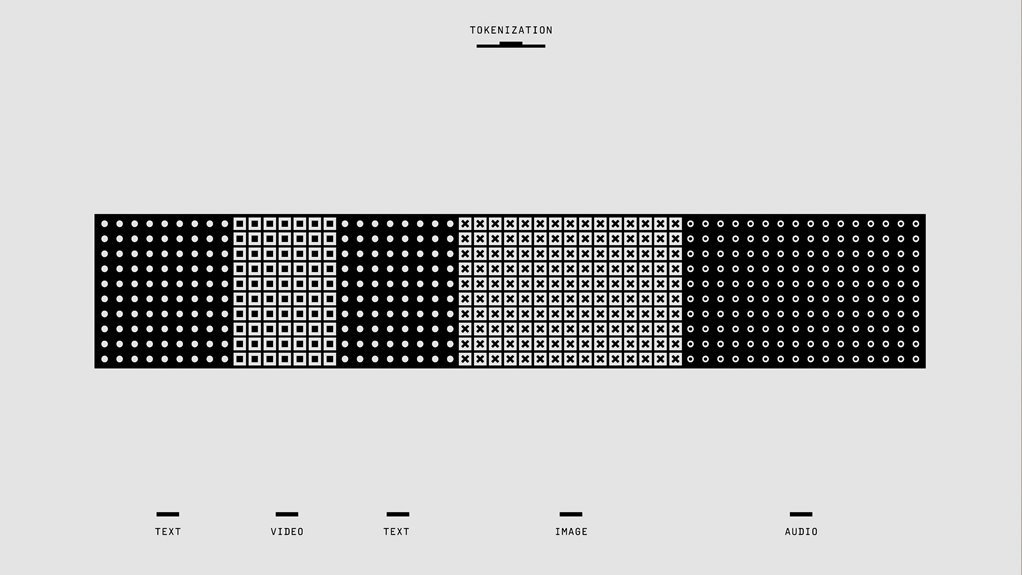
The Suspicious Communication Detection Tracking Enforcement Division operates at the intersection of technology and public safety. By employing advanced anomaly detection and machine learning, it scrutinizes communication patterns for potential threats. This analytical approach aims to mitigate risks while preserving individual freedoms. However, the implications of their findings raise important questions about privacy and community engagement. What challenges arise as they navigate this complex landscape?
Understanding the Role of the Division
The division plays a critical role in the framework of suspicious communication detection, serving as the primary entity responsible for monitoring, analyzing, and responding to potential threats.
Its division responsibilities include the enforcement of operational guidelines that ensure effective communication protocols. By adhering to these standards, the division enhances the accuracy of threat assessments and fosters a proactive stance against emerging risks, thus safeguarding individual freedoms.
Methodologies Utilized in Detection
Effective detection of suspicious communication relies on a variety of methodologies that enable timely identification and assessment of risks.
Anomaly detection techniques, coupled with machine learning algorithms, facilitate the recognition of unusual patterns within vast data sets.
These methodologies enhance the accuracy of alerts, allowing for proactive intervention while maintaining a commitment to preserving individual freedoms and ensuring that privacy concerns are adequately addressed.
Analyzing Communication Patterns
Analyzing communication patterns involves scrutinizing various aspects of interactions to identify signs of suspicious behavior.
This process utilizes pattern recognition techniques to detect communication anomalies, such as irregular frequency, tone shifts, or unusual phrasing.
The Impact of Findings on Public Safety
Findings from communication pattern analysis can significantly influence public safety measures.
Enhanced public awareness regarding suspicious communications fosters proactive engagement in crime prevention. By identifying potential threats through data analytics, law enforcement agencies can allocate resources more effectively, ultimately reducing crime rates.
This strategic approach not only empowers communities but also ensures a collective effort towards maintaining safety and safeguarding individual freedoms.
Conclusion
In a world where algorithms decipher human interaction, the Suspicious Communication Detection Tracking Enforcement Division stands as a modern oracle, predicting threats with eerie precision. Yet, as communities eagerly embrace this surveillance, one must ponder: are we safeguarding freedoms or merely trading them for a digital illusion of security? The line between vigilance and violation blurs, inviting a new era of compliance disguised as collaboration, where safety is the guise and suspicion becomes the norm in our quest for a crime-free utopia.